
End-to-End Legal Assistance for Financial, Online & Identity-Related Frauds
Financial fraud and cyber crime today are deeply interconnected. From unauthorized transactions and identity theft to phishing scams and digital impersonation—most offences involve both financial loss and misuse of technology.
At Legal Wellbeing, we provide comprehensive legal support to help individuals and businesses respond to, report, and take action against such offences—covering everything from inquiry to assistance in complaint drafting to arming with information as to how to initiate legal proceedings and recovery assistance.
What We Enable
Comprehensive Legal Support and assist in a wide spectrum of issues related financial fraud and cyber crime attacks, combining traditional economic offences with modern digital threats.
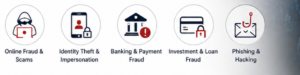
Kinds of Financial Fraud & Economic Offences
There are various kinds of these frauds and offence, refer below to know about them
1. Banking & Transaction Fraud
- Unauthorized transactions (UPI, net banking, NEFT/RTGS)
- Credit/debit card fraud and cloning
- ATM fraud and skimming
- Fraudulent withdrawals and account misuse
2. Cheating, Deception & Misappropriation
- Cheating and dishonest inducement
- Criminal breach of trust
- Misrepresentation and fraudulent schemes
- Advance fee frauds and false promises
- Wrongful diversion or misappropriation of funds
3. Forgery & Document Fraud
- Forgery of financial documents and records
- Fake agreements, contracts, or instruments
- Use of forged documents as genuine
- Digital document tampering and manipulation
4. Identity Theft & Impersonation (Financial Use)
- Unauthorized use of PAN, Aadhaar, or KYC documents
- Fraudulent loans, accounts, or credit facilities
- Identity misuse for financial gain
- Impersonation in banking or financial transactions
5. Investment & Financial Market Frauds
- Ponzi schemes and chit fund scams
- Fake investment platforms and advisory fraud
- Stock, trading, or crypto-related scams
- Unauthorized trading or fund diversion
6. Corporate & Commercial Fraud
- Employee fraud and internal misappropriation
- Financial manipulation and accounting fraud
- Vendor and procurement fraud
- Partnership and business-related financial disputes

Cyber Crime & Digital Offences
Following is the kinds of cyber crime and digital offences people are exposed to in times of today
1. Online Fraud & Social Engineering
- Phishing emails, fake links, and spoofed websites
- Vishing (fraud calls) and SMS scams
- OTP fraud and remote access scams
- KYC update and account verification fraud
2. Account Compromise & Unauthorized Access
- Email, banking, or social media hacking
- Unauthorized system or account access
- Credential theft and misuse
3. Data Theft & Privacy Violations
- Unauthorized access to personal or financial data
- Data leaks and breaches
- Misuse of confidential information
4. Cyber Extortion & Online Threats
- Online blackmail and intimidation
- Ransomware attacks
- Sextortion and reputational threats
5. Platform & Digital Ecosystem Fraud
- Fake websites, apps, and digital platforms
- E-commerce and marketplace fraud
- Online service and subscription scams
6. Hybrid & Emerging Fraud Scenarios
Many modern frauds combine financial and cyber elements. We regularly assist in cases such as:
- OTP-based fraud and remote device access scams
- Fake bank, police, or government authority calls
- “Digital arrest” and impersonation scams
- Loan app fraud and instant credit traps
- Social media-based financial scams
- Multi-layered fraud involving deception + technology

What To Do If You’ve Been a Victim
Taking immediate action is critical:
- Inform your bank or financial institution without delay
- Report the incident through appropriate cyber crime channels
- Preserve transaction details, messages, and evidence
- Avoid further engagement with the fraudster
Timely and structured action can significantly impact recovery and legal outcomes.


Court representation and legal advocacy, where required, are handled through independent licensed advocates incase required
Disclaimer- The information provided is for general informational purposes only. It does not constitute legal advice. No guarantees or assurances are made regarding outcomes. Engagement is subject to mutually agreed terms.