
The Architecture of the Indian criminal justice system is fundamentally oriented towards establishing the culpability and decreeing the subsequent punishment of the alleged accused. In this process, which is often characterized by bureaucratic complexity and adversarial proceedings, the profound psychological and social consequences for their families are often critically overlooked (Mander, 2017). This systemic oversight fails to account for the immediate and cascading trauma that engulfs the family unit following an arrest.
When an individual is taken into custody, their innocent relatives are immediately subjected to what social scientists term an “invisible sentence” (Richards, 2011). This is not a legal or judicial decree, but a harsh and persistent punishment imposed by society that begins the moment the news of the arrest breaks. This punitive social reaction fundamentally alters the lives of the families, stripping them of their social standing, financial stability, and emotional peace.
The family’s immediate reality is one of public shaming, rapid economic ruin, and profound emotional distress. They are simultaneously grappling with the uncertainty of the legal process and the immediate loss of social capital (Goffman, 1963). This report is dedicated to a detailed discussion of the resulting psychosocial and mental health challenges. Specifically, it will analyze how the combined impact of intense stigma (associative stigma), crushing economic hardships (loss of income, debt burden), and the emotional fallout of separation creates a unique profile of chronic distress that requires urgent recognition and intervention.
The Psychosocial Stressors
The invisible sentence is primarily delivered through a potent combination of social devaluation and crippling financial. These stressors are not merely unfortunate side effects, but rather, they constitute a persistent, low-grade trauma that erodes the family’s stability and sense of self worth.
The moment an individual is arrested, their immediate family inherits a “spoiled identity”(Goffman, 1963). This is the punitive, non-judicial extension of the accused’s alleged transgression to their innocent relatives, resulting in what sociologists term associative stigma. In a culturally sensitive society like India, where ‘Izzat‘ (honour and reputation) is central to social standing, this stigma leads to immediate and profound social ostracism (Kumar & Murthy, 2011). Family members report being avoided by neighbors, losing invitations to community events, and being subtly or overtly shunned from vital social networks. This withdrawal of social support serves as a constant, reinforcing mechanism of guilt and shame, regardless of the accused’s actual guilt or eventual acquittal. The need to manage this damaged reputation often forces families into social isolation, compounding their distress. Children are uniquely vulnerable to this courtesy stigma. They are often bullied, excluded from play, or ostracized in schools, directly impacting their psychological development and academic performance. This social exclusion is a manifestation of the community’s attempt to enforce moral boundaries, inadvertently punishing the innocent.
Economic Hardship
The second pillar of the psychosocial sentence is economic devastation. When an arrest occurs, the family’s financial world often collapses overnight. Legal proceedings in India are notoriously slow and costly, involving multiple court appearances, documentation, travel, and legal fees that accumulate over months or even years (Mander, 2017). The immediate need for funds to pay lawyers, secure bail, and manage related expenses triggers an instant financial crisis. For working-class or daily-wage families, even one day of missed income can create hardship; in this context, the prolonged legal process becomes an unending financial nightmare.
If the accused was the primary or sole earner, the family’s economic foundation crumbles. Suddenly, the household is left with no steady income to cover essentials such as food, rent, school fees, or medical bills. Many families resort to selling valuables, taking high-interest loans, or mortgaging land and jewellery in a desperate attempt to keep the household afloat. Over time, this cycle of borrowing and repayment deepens into a spiral of debt that is nearly impossible to escape. Women, especially in low-income households, often become the first responders to this crisis, taking up domestic work, daily-wage labour, or informal employment to make ends meet. Yet these jobs rarely provide stability or sufficient income, and many women face exploitation or harassment in their new workplaces. The emotional toll of this economic struggle is immense. Parents and spouses carry the dual burden of emotional grief and financial responsibility. The humiliation and exhaustion that accompany this daily struggle contribute significantly to psychological distress. Economic hardship becomes not just a financial issue but a deeply emotional experience, tied to shame, loss of dignity, and fear of an uncertain future.
The ripple effects extend to children as well. Education is often the first casualty. School fees, transportation costs, and even the stigma attached to being the child of an accused person push many children out of formal education. Some are forced into early work to supplement the family income, while others withdraw socially, internalizing the family’s crisis as their own failure. These disruptions can have long-term consequences, perpetuating cycles of poverty and social exclusion.
Adding to the hardship is the occupational stigma that family members often face. In many cases, employers and co-workers view them with suspicion, fearing reputational damage or unwanted attention from authorities. Subtle acts of discrimination—being denied promotions, excluded from team activities, or whispered about—can make the workplace intolerable. Some lose their jobs altogether when their connection to the accused becomes public. As a result, families are pushed toward unstable, exploitative forms of labour such as daily wage work, informal vending, or domestic service.
This intersection of stigma and economic collapse traps families in a cycle of precarity. Financial insecurity feeds anxiety and depression, while mental distress reduces the family’s ability to recover or seek better opportunities. Over time, economic deprivation and psychosocial trauma reinforce one another, creating a chronic state of survival rather than living.
The Mental Health Consequences
Emotional and Psychological Trauma:
The sudden and often public nature of an arrest is a deeply traumatic experience for the families involved, Crucially, the suffering does not end with the initial event; the stress is ongoing, complex, and affects relationships and daily life with relentless intensity. To understand the gravity of this ordeal, it must be viewed not through a simple acute stress model, but through Trauma theory, specifically the lens of Complex Post-Traumatic Stress Disorder (C-PTSD), as articulated by Herman (1992). The trauma here is not singular, but it is chronic, pervasive, and relational, deriving from the sustained exposure to the legal system’s uncertainty, economic precarity, and severe social stigma.
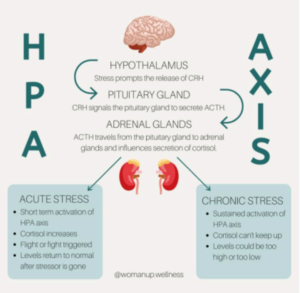
The family’s experience is a textbook example of chronic stress leading to allostatic overload ot the “wear and tear” on the body and mind resulting from repeated or prolonged attempts to adapt to stress (McEwen, 1998). The constant, unremitting demands of court dates, legal fees, managing social isolation, and worrying about the incarcerated member keep the family’s stress response system (the HPA axis) in a state of high alert. This constant hyperarousal drains psychological resources, such as hypertension, sleep disorders, acute stress, and eventually chronic stress.
Another significant element of the trauma involves Institutional Betrayal (Freyd, 2018). This concept describes the harm perpetrated by institutions upon individuals dependent on them. When law enforcement and the judiciary, which are thought to be institutions sworn to uphold justice and fairness, exhibit indifference, harshness, or a lack of transparency, the family experiences a profound sense of betrayal. This institutional action, or inaction, directly
exacerbates the family’s sense of powerlessness and distrust, further eroding their mental and emotional resilience. This systemic neglect becomes a core component of the psychosocial wound.
Guilt and Shame
Guilt is one of the earliest and most pervasive emotional responses that families experience after an arrest. It is deeply internalized and often silent. For parents, this guilt can take the form of self-blame, which is the painful belief that they failed in their role as guides or protectors. A father might replay conversations, wondering if he was too harsh or inattentive. A mother might question whether her affection or discipline could have altered the outcome. Siblings, too, may internalize a sense of personal failure. An older sibling may feel that, had they been more watchful or responsible, the incident could have been prevented. This guilt, though largely irrational, becomes a constant emotional burden. It infiltrates daily life, interrupting sleep, appetite, and concentration, and over time, it may harden into chronic self-reproach or depressive rumination. The guilt is rarely discussed openly, and it festers quietly, shaping the family’s interactions and self-image long after the arrest.
Shame, however, often proves to be even more destructive. Within the Indian social context, where family honour or ‘Izzat’ holds deep cultural importance (Kumar & Murthy, 2011), shame extends beyond private emotion; it becomes a public condition. Unlike guilt, which focuses inward on what one has done or failed to do, shame is tied to how one is seen, or imagines being seen. It is external, socially constructed, and deeply relational. Families often become hyper aware of community scrutiny. A neighbour’s prolonged glance, a relative’s silence, or whispers at the market can all become unbearable reminders of perceived moral failure.
In response, families frequently withdraw from social life altogether. They may stop attending weddings, festivals, or community gatherings. A mother might avoid the temple she once visited daily to escape the stares and hushed conversations. Children might be pulled out of local schools to protect them from taunts or isolation. This retreat, though intended to preserve dignity, becomes a painful confirmation of what Goffman (1963) described as a “spoiled identity.” The act of hiding reinforces the stigma, cutting families off from the very social support networks they need most.
This self-imposed isolation compounds emotional suffering. The absence of normal social interactions deprives families of empathy, perspective, and collective coping. The home is filled with silence, tension, and unspoken fear. The constant anticipation of gossip or social rejection can be as psychologically damaging as the legal case itself. For many families, shame becomes not just a reaction to public judgment but an enduring state of existence, shaping how they see themselves and how they believe others see them.
The State of Hyperarousal
Anger is a frequent response, often directed outwards. Families may feel intense rage toward the police for perceived harsh or disrespectful treatment, the legal system for its interminable delays and lack of transparency, or even at the arrested person for causing the sudden disruption and pain. This anger is often difficult to express safely, leading to internal family conflict and tension.
Fear and anxiety persist as a background hum to daily life. Families worry incessantly about immediate threats, such as the logistics of bail and court appearances, and long-term uncertainty. The length of legal proceedings, the nature of the eventual sentence, and the prospect of life without the arrested member. This constant state of hypervigilance is a classic symptom of trauma, leaving individuals unable to relax and constantly scanning the environment for perceived threats, such as the sight of a police vehicle or a knock at the door.
Grief is also central, representing a complex and layered experience of loss (Richards, 2011). Families mourn not only the potential loss of the arrested member to a long prison sentence but also the more insidious losses: the loss of their normal life and routine, the erosion of social standing, and the death of future expectations. For instance, a mother may grieve not only the child’s absence but also the fact that neighbours no longer greet the family, or friends avoid them, signaling a permanent loss of their place in the community. This unique form of grief is often unsupported and unacknowledged, leading to chronic, unresolved mourning.
These intense, chronic emotional stressors can lead directly to severe mental health challenges, often best understood through clinical psychological models.
Post-Traumatic Stress Disorder (PTSD) and Complex Trauma
The trauma experienced by families following an arrest often extends far beyond the boundaries of a single distressing event. It is chronic, relational, and deeply embedded in daily life. These features align closely with what Herman (1992) termed Complex Post-Traumatic Stress Disorder (C-PTSD). Unlike classic PTSD which typically results from a singular, identifiable incident, C PTSD develops through prolonged exposure to stressors that are interpersonal, unpredictable, and often inescapable. For families of the accused, the trauma is not confined to the moment of arrest; it continues in every court date, media headline, and social encounter that reopens the wound.
Re-experiencing symptoms is common and distressing. Parents may find themselves replaying the arrest repeatedly in their minds, like the knock on the door, the sight of police officers entering their home, the sound of handcuffs clicking shut. Even months later, these images intrude during ordinary moments, such as hearing sirens or sudden loud noises. Mothers, in particular, may report vivid flashbacks or nightmares, where the scene plays out again and again, leaving them shaken and sleepless.
Avoidant behaviours soon emerge as a coping mechanism. Many families deliberately avoid conversations about the arrest, hide related documents, or steer clear of public spaces where they might face questions or judgment. Some may even relocate to new neighbourhoods to escape social scrutiny. Emotional numbness often accompanies this avoidance—family members may suppress their feelings to maintain composure, but this emotional detachment only deepens the sense of alienation and loss of connection.
Hyperarousal is another key feature. Family members live in a state of constant alertness, fearing a repeat of the trauma or further social humiliation. A simple knock at the door or an unexpected phone call can trigger panic or dread. This persistent vigilance can cause exhaustion, irritability, and difficulty concentrating, making even routine tasks feel overwhelming. The home, once a space of safety, becomes charged with anxiety and unpredictability.
Depression and Anxiety Disorders
The prolonged stress and uncertainty surrounding the arrest often lead to the onset of depressive and anxiety-related disorders. The combination of financial strain, legal uncertainty, and social rejection forms a potent mix that can erode both psychological and physical health. Depression frequently manifests as deep sadness, emotional withdrawal, and a loss of interest in everyday activities; a state known as anhedonia. Parents may neglect self-care, lose motivation to work, or feel too drained to engage with others. Physical symptoms often accompany these feelings, such as changes in appetite, fatigue, or persistent insomnia.
Anxiety, on the other hand, becomes a near-constant state of mind. The future feels unstable, dominated by fears about the outcome of the trial, financial survival, and the family’s social standing. This persistent unease is heightened by the unpredictability of the legal process, where each delay or hearing becomes another source of dread. The Social Readjustment Rating Scale (Holmes & Rahe, 1967) helps conceptualize this accumulation of stress: the arrest, the loss of income, changes in living conditions, and the disruption of family relationships together represent a cluster of major life events occurring within a short span of time.
Impact on Family Dynamics
The trauma extends beyond individual suffering to reshape the entire family system. According to Bowen’s Family Systems Theory (1978), the family operates as an interconnected emotional unit. When one member undergoes severe stress, the entire system absorbs the shock. The balance of roles within the household shifts dramatically. Older siblings may suddenly assume adult responsibilities, taking care of younger children or contributing financially, leading to premature role reversals known as parentification. Parents, overwhelmed by legal pressures and emotional pain, may become emotionally unavailable, creating gaps in nurturing and communication.
These shifts often produce either emotional cut-offs or excessive closeness within the family. Some members withdraw to protect themselves from the collective distress, while others become overly dependent on one another, blurring boundaries. Both responses are forms of dysfunctional coping that strain relationships further. Frequent arguments, blame-shifting, and emotional exhaustion become part of the household atmosphere. Over time, the family begins to function in survival mode, where daily routines revolve around crisis management rather than genuine connection or recovery.
The Need for Psychosocial Intervention
Without structured psychosocial support, these interlocking emotional, psychological, and relational challenges can severely impair family functioning and long-term mental health. Intervention must therefore go beyond clinical therapy to include context-sensitive approaches that account for cultural and social realities. In the Indian setting, this means recognizing the centrality of family honour and social reputation in shaping both the experience of trauma and the willingness to seek help. Support programs should combine mental health care with social reintegration efforts and create safe spaces for dialogue, peer support, and legal guidance.
Framing this issue as a public health concern is essential. The trauma of arrest and incarceration does not exist in isolation; it reverberates through families and communities. Addressing it requires coordinated attention from mental health professionals, social workers, and legal authorities. By acknowledging the shared burden and providing systematic psychosocial support, the justice system can move closer to a humane, rehabilitative model that restores both individual and familial well-being.
Impact on Children:
Children of the accused represent a demographic with unique vulnerabilities to the psychosocial trauma of the “invisible sentence” (Richards, 2011). Their developmental stage, characterized by a tender age and profound dependence on primary caregivers, renders them highly susceptible to the negative effects of the abrupt absence of a parent and the pervasive societal stigma. The core of their emotional and cognitive development is fundamentally disrupted by the combined force of social ostracism and the loss of a secure parental attachment.
To grasp the depth of the impact, several theoretical models must be integrated. The sudden, involuntary separation from a primary caregiver due to incarceration constitutes a traumatic breach in the child’s secure base, a central tenet of Attachment Theory (Bowlby, 1988). Children bear a double burden of stigma and loss. In school and social settings, they become targets of severe bullying and exclusion, a direct result of the courtesy stigma the family inherits (Goffman, 1963). This external shunning directly impairs their sense of self-worth and ability to establish normal peer relationships. The chronic exposure to community disapproval, coupled with the internal fear and sadness, translates into low self-esteem and significant difficulty in their overall social development (Hagan & Dinovitzer, 1999). Studies consistently show that this peer rejection and school exclusion severely compromise the child’s sense of belonging and competence (Foster & Hagan, 2013). The lack of continuous, reliable caregiving necessary for healthy psychosocial development leads to attachment insecurity, manifested as anxiety, fear, and a breakdown in the child’s ability to regulate their emotions. This disruption is particularly salient in environments where social networks are simultaneously crumbling due to stigma, as the child loses both their primary source of regulation and their secondary support system (Turney & Wildeman, 2016). The impact on academic performance is often devastating. The trauma induced emotional instability, anxiety, and profound difficulty concentrating sabotage the child’s learning capacity. The stress within the household which can be marked by poverty, parental depression, and financial anxiety, can create a chaotic learning environment that directly places the children at a significant risk for long-term educational and occupational disadvantage (Geller, 2013).
This continuous state of fear and uncertainty creates a condition of Toxic Stress (Shonkoff, 2016). Unlike short-term, manageable stress, toxic stress results from prolonged exposure to severe adversity without adequate adult buffering. The chronic activation of the child’s stress response systems (HPA axis) leads to allostatic overload, causing physiological “wear and tear” that can impair the very architecture of the developing brain, particularly areas related to impulse control, executive function, and emotional regulation (McEwen, 1998). This biological vulnerability underscores why the consequences are so pervasive, impacting everything from classroom behavior to long-term health.
Stigma, Loss, and Chaos
Children bear a complex burden composed of three interconnected stressors:
- Stigma and Social Ostracism: Children inherit a courtesy stigma (Goffman, 1963) that makes them targets in school and community settings. They face severe bullying and exclusion, which directly translates into feelings of being different, worthless, and fundamentally flawed. This external shunning actively impairs their sense of self-worth and severely compromises their ability to establish normal, trusting peer relationships, which are critical for social development (Hagan & Dinovitzer, 1999). In the Indian context, where a child’s identity is closely tied to family honor, this social rejection is a relentless psychological assault.
- Parental Loss and Emotional Instability: The absence of a parent is a profound source of unresolved grief. The child cannot mourn properly because the parent is neither fully present nor fully gone; they exist in a painful state of “liminality” (Richards, 2011). Furthermore, the remaining caregiver (typically the mother) is simultaneously grappling with immense financial, legal, and emotional stress, leading to maternal depression and anxiety. This diminished capacity for effective parenting and emotional buffering transmits distress to the child, who internalizes the ambient chaos and fear of the household.
- Household Instability and Economic Strain: The rapid descent into economic hardship fundamentally alters the child’s environment. Poverty forces frequent residential moves, changes in schools, and the adoption of unstable, chaotic routines. This lack of predictable structure and resources places children at a high risk for compounded developmental delays and poor educational outcomes (Geller, 2013).
Clinical Manifestations: Developmental Psychopathology
The consequences manifest along a clinical spectrum, signaling deep psychological scarring that requires targeted, trauma-informed intervention:
- Internalizing Distress: These are problems directed inward. Children internalize the family’s shame and their own profound anxiety and grief, leading to symptoms akin to clinical depression. They exhibit pronounced withdrawal, excessive worry, and a preoccupation with the absent parent’s fate. This often takes the form of psychosomatic complaints (headaches, stomach aches), which are culturally common expressions of psychological pain in South Asia (Kumar & Murthy, 2011). The internalized trauma, if left untreated, is a strong precursor to chronic mental health issues in adulthood.
- Externalizing Distress: The inability to cope with or process the complex trauma results in behaviours directed outward, often as an attempt to assert control or express overwhelming feelings. These include aggression, defiance, and disruptive behavior (acting out) in school, a pattern often mistaken for simple delinquency. Younger children exhibit striking signs of stress through developmental regression, such as a return to bedwetting (enuresis), thumb sucking, or excessive clinginess. This regression is a classic signal of the breakdown of healthy coping mechanisms due to overwhelming stress (Shook, 2015).
Long-Term Intergenerational Consequences
The most critical and devastating consequence of this trauma is the potential for the
intergenerational cycle of incarceration (Turney & Wildeman, 2016). The chronic stress, emotional dysregulation, and difficulty concentrating directly sabotage the child’s academic performance, placing them at a significant risk for school failure, low educational attainment, and subsequent unemployment. Research consistently links this educational disadvantage to a higher probability of later involvement with the criminal justice system, especially among marginalized youth (Foster & Hagan, 2013).
Ultimately, the failure to provide immediate and comprehensive psychosocial support for these children is not only a humanitarian oversight but a failure of public policy. It ensures that the “invisible sentence” will be passed down, guaranteeing that the consequences of one individual’s alleged crime are perpetually visited upon the next generation, creating a recurring cycle of disadvantage and trauma that society is ill-equipped to handle. The psychosocial well-being of these children must therefore be repositioned from a peripheral welfare concern to a central imperative for justice reform.
Legal and Systemic Challenges
The suffering of the family is not only due to social stigma or financial hardship. It is also made worse by the very systems that are supposed to protect them. The legal and prison processes in India often turn into long, confusing, and emotionally draining experiences that increase the family’s distress.
After an arrest, families are thrown into a system that is slow and difficult to navigate. Most people in Indian prisons are not convicted but are still waiting for their trials to begin. Aslam and Ahmad (2024) note that around 77% of inmates are under-trials. Under-trials are when people who have not yet been found guilty but remain imprisoned for months or even years. For families, this means endless waiting. They do not know when or if their loved one will return home. This uncertainty leaves them unable to plan their lives. A mother waiting outside a district court for years, clutching her son’s file, or a father who sells his small piece of land to afford legal fees, are common images that reflect this sense of hopeless suspension.
Visiting an incarcerated individual is a physically and emotionally punishing ordeal. For many families, especially those from rural or economically weaker backgrounds, the journey itself is an immense challenge. Prisons are often located far from the family’s hometown, requiring long and expensive travel. Many take crowded trains or buses, sometimes travelling overnight, only to reach the prison gates before dawn and wait in long queues that stretch across the compound. During summers, these waits become almost unbearable. Families often stand for hours in scorching heat without access to drinking water, shade, or proper seating. Elderly parents and small children are seen sitting on the ground outside prison walls, clutching bags of food or clothes meant for their loved ones. There is rarely any designated shelter, rest area, or sanitation facility for visitors. The heat, exhaustion, and dehydration add physical suffering to what is already an emotionally charged day.
Even after enduring this, the visiting process itself is distressing. Security checks are often invasive and abrupt, leaving visitors feeling humiliated or anxious. Food and personal items brought for the inmate are sometimes rejected without explanation, and long verification procedures can reduce the already limited visiting time to just a few minutes. Inside the visiting area, families usually meet across metal bars or through glass partitions, often speaking through old or malfunctioning telephones. These visits, instead of offering solace, can deepen the family’s trauma. Many relatives describe feeling powerless after each meeting, as they leave the premises with more questions than answers. The lack of dignity in these encounters turns a moment meant for connection into a painful reminder of separation and systemic neglect. Richards (2011) notes that such experiences reinforce the family’s sense of exclusion and helplessness, as they are constantly reminded that their love and loyalty hold little weight against institutional rigidity.
In several cases, families stop visiting altogether/ This is not out of indifference, but out of sheer exhaustion and despair. The physical hardship, emotional toll, and repeated humiliation erode their resilience. A mother who has travelled hundreds of kilometres under the blazing sun, only to be denied entry due to a technical issue or missing document, may lose the will to repeat the ordeal. This withdrawal further isolates both the prisoner and the family, depriving them of one of the few remaining emotional lifelines.
Another emotional strain made worse by how little families understand about the legal process. Most are unaware of how bail works or how cases progress in court. The language of the system which is of legal terms and formalities, creates confusion and fear. Lawyers and officials may speak in jargon that the family cannot follow, leaving them feeling excluded from decisions that determine their future. In some cases, families sign papers they do not fully understand, simply because no one explains them clearly. The lack of transparency also fuels mistrust; families often feel that the system is deliberately keeping them in the dark.
The financial cost of this entire process can be crushing. Legal representation, documentation, transport, and court fees quickly drain savings. Poor families often sell assets, borrow money, or go into debt just to keep the case moving. Mander (2017) points out that many such families slide further into poverty because of these hidden costs. For example, a daily wage worker whose son is arrested might spend half his monthly income on travel to court hearings, leaving the rest of the family struggling for food. This economic strain adds another layer of emotional pain, as parents blame themselves for not being able to “do enough.”
The overall result is a system that unintentionally punishes the family alongside the accused. The long waiting periods, lack of clear information, financial exhaustion, and emotionally draining prison visits all combine to create a form of secondary victimization—where the justice process itself becomes a source of trauma. For many families, the experience of fighting through this system feels less like seeking justice and more like enduring another sentence of their own.
Role of Law Enforcement and Judiciary:
The next layer of systemic challenge lies in the operational culture and priorities of law enforcement and the judiciary. The current system often lacks a family-centric perspective (Richards, 2011). Families of the accused are frequently seen only through a punitive lens, rather than as individuals facing collateral trauma. This approach creates a gap in empathy and communication, leaving families feeling invisible and unsupported.
Police and judicial staff often receive little training in how to interact with families of the accused. The initial moments, like during the arrest and immediately afterwards, are frequently marked by insensitivity or intimidation. Families report feeling dismissed, overwhelmed, and retraumatized by officials who fail to recognize the emotional toll of the situation (Kothari, 2004). The reliance on complex, jargon-filled legal language in official communications further marginalizes families, denying them a clear understanding of the processes that will profoundly affect their lives. Without guidance or support, families often feel powerless, anxious, and isolated.
This pattern of systemic neglect can have lasting consequences. The lack of empathy and support contributes to a profound sense of distrust toward institutions of justice. Families may struggle to engage with the legal process, question the fairness of proceedings, or even withdraw entirely from necessary interactions. This “institutional betrayal” not only amplifies the initial trauma of the arrest but also undermines the family’s capacity to recover, adding layers of psychological and emotional strain (Richards, 2011).
Addressing these challenges requires a fundamental shift in how the system views and interacts with families. It involves recognizing that justice is not experienced solely by the accused but extends to those around them. Police and judicial staff must be equipped with sensitivity and trauma-informed training, helping them understand the emotional and social impact of incarceration on families (Hagan & Dinovitzer, 1999). Clear, empathetic communication can transform an otherwise intimidating legal process into one that supports understanding and agency. Additionally, integrating social workers or counselors into the judicial system can provide families with immediate psychosocial support, connecting them to mental health services and community resources. The creation of dedicated liaison personnel within law enforcement and courts can ensure families receive timely updates, explanations, and guidance throughout proceedings.
Embedding these reforms, the system can move toward a more humane and compassionate approach, one that acknowledges the collateral consequences of arrest and incarceration. Supporting families in this way not only mitigates psychological harm but also strengthens trust in justice institutions, fostering resilience and facilitating recovery from the trauma that follows an arrest.
In the face of systemic neglect and societal ostracism, the family of the accused often relies on internal and communal resources to mitigate the psychosocial trauma of the “invisible sentence.” These support systems, however, are complex, capable of both sustaining and damaging the affected family unit.
Family and Community Support
Traditional family structures in India play a critical, dual role in the management of this crisis. On one hand, the presence of a joint family is a powerful source of resilience. The immediate family network, including extended relatives, can provide crucial practical and psychosocial resources. This collective structure often becomes the primary safety net, capable of providing direct financial support to cover sudden legal expenses and immediate needs. More importantly, the joint family offers continuous emotional comfort, reducing the acute sense of isolation Caused by external stigma (Bhatia, 2005). The presence of multiple caregivers can also buffer the impact on children, providing a necessary stable environment despite the absence of the accused parent (Hagan & Dinovitzer, 1999).
However, the same structure can also hinder the family’s recovery. The social shame associated with the arrest (the concept of Izzat) is distributed across the entire joint family, sometimes leading to internal conflict, blame, and the eventual shunning of the nuclear family by extended relatives attempting to protect their own reputation (Kumar & Murthy, 2011). In such instances, the familial support system collapses, intensifying the psychological burden on the direct dependents.
Beyond the immediate family, community support networks are of vital importance. When functional, community organizations or religious institutions can significantly contribute to psychosocial well-being. By offering a non-judgmental atmosphere, they provide a safe space for existence, allowing family members to engage in social activities and rituals without the fear of public shaming. Furthermore, these networks can offer practical assistance,, such as help with childcare, job referrals, or food aid, easing the economic and logistical pressures that feed psychological distress. Their acceptance directly counters the destructive narrative of social ostracism, which is a critical step in preserving the family’s sense of dignity and resilience (Richards, 2011).
Professional Intervention
While informal support from family and community is vital, the sheer depth and complexity of trauma and psychosocial distress experienced by the families of the accused necessitates the critical and specialized role of mental health professionals and social workers. These professionals are uniquely equipped to provide interventions that address the clinical outcomes of the “invisible sentence” that arise from chronic systemic and social stress (Herman, 1992). Social workers, in particular, play an indispensable, dual role: providing direct psychosocial support and acting as advocates to mitigate the crippling systemic and economic stressors that feed into poor mental health (Richards, 2011).
Despite their crucial necessity, such professional roles remain severely underutilized and marginalized within the Indian criminal justice and public health infrastructure. This is not merely an oversight but a deep-seated systemic deficit that results in a massive treatment gap for trauma survivors. India faces a critical shortage of mental healthcare infrastructure and personnel, with a stark disparity between urban centers and the vast, underserved rural and semi urban areas. This deficit creates multi-layered, often insurmountable, barriers to seeking help for families already teetering on the edge of collapse:
Financial and Geographic Inaccessibility
The financial barriers are immediate and overwhelming. The high cost of therapy in private practice is fundamentally prohibitive for families already pushed to economic ruin by legal fees, bail expenses, and the loss of the primary earner’s income (Mander, 2017). For these families, seeking psychological help means diverting resources needed for basic survival, food, or critical legal defense, making mental healthcare an unaffordable luxury. Compounding this, the lack of accessible services in rural and remote areas means specialized psychological or psychiatric care is often geographically out of reach for marginalized populations, who constitute the majority of families affected by pre-trial detention in India. Travel costs, lost wages from travel time, and the sheer logistical difficulty of reaching a clinic ensure that chronic trauma remains untreated. This inaccessibility is a structural failure that actively perpetuates the family’s suffering.
Stigma, Cultural Beliefs, and Lack of Awareness
Beyond cost, deep-rooted societal stigma associated with mental illness in India creates a formidable psychological barrier. This stigma often mirrors and compounds the stigma faced by the family of the accused, creating a double barrier to help-seeking behavior. Seeking psychological or psychiatric help is widely viewed as a sign of personal weakness, family failure, or even ‘madness,’ actively threatening the family’s precarious social standing and reputation (Izzat) (Kumar & Murthy, 2011). The preference often leans towards unhelpful or even harmful traditional healing practices due to this cultural fear. This psychological barrier is further reinforced by a profound lack of public awareness regarding the benefits of professional intervention, the signs of trauma (like PTSD), and the fact that their emotional distress is a normal reaction to an abnormal, traumatic event. Without this awareness, families cannot identify their symptoms as treatable conditions, leading to isolation and prolonged suffering (Patel et al., 2018).
To effectively treat the “invisible sentence” and foster resilience, the Indian system must fundamentally shift its focus from a purely punitive approach to one that incorporates robust, accessible, and culturally-sensitive psychosocial support.
Integration of Social Workers and Trauma-Informed Liaisons
A critical, evidence-based intervention is the compulsory and adequately funded integration of Court-Appointed Social Workers or dedicated Family Liaison Officers into police and judicial systems. This reform shifts support services from the community periphery to the immediate point of crisis, ensuring timely and structured assistance for affected families (Richards, 2011). These mandated professionals would play multiple roles essential to mitigating the cascading psychosocial impact of an arrest. First, they would conduct rapid, trauma-informed needs assessments immediately following the arrest to address urgent concerns such as childcare, food security, and temporary shelter. By responding to these basic needs at the onset, the intervention prevents the immediate economic and logistical shock from deepening into prolonged psychological distress.
Additionally, these officers would serve as a vital communication bridge between the justice system and the family. Legal processes in India are notoriously opaque and riddled with bureaucratic delays, often leaving families in a state of confusion and helplessness. A liaison’s role would involve translating the complex, jargon-heavy legal framework into clear, comprehensible steps while providing consistent updates on case status. By connecting families to free legal aid services, these professionals could help prevent financial collapse during the early phases of the case.
Beyond practical assistance, their psychosocial role would be equally significant. Providing educational materials and emotional guidance that normalize distress can help families reinterpret their suffering not as a personal weakness but as a natural response to systemic failure and social stigma. This reframing is crucial in dismantling internalized shame, which often acts as a barrier to seeking psychological or social support. In doing so, Family Liaison Officers not only address immediate needs but also foster a sense of dignity and agency among families navigating the justice system. Thus, embedding these professionals within the institutional framework represents a tangible step toward humanizing the criminal justice process, ensuring that justice extends beyond punishment to include compassion, comprehension, and care for those left behind.
Community-Based and Low-Cost Mental Health Delivery
Given the national resource constraints, a reliance on traditional, high-cost private therapy is unsustainable. Interventions must prioritize decentralized, culturally appropriate, and low-cost delivery models:
This should involve training existing, trusted community personnel, such as Accredited Social Health Activists (ASHAs) or retired teachers, in Psychological First Aid (PFA), basic trauma-informed psychoeducation, and motivational interviewing (Patel et al., 2018). By leveraging existing networks and familiar faces, this model drastically reduces the cost of care and, crucially, lowers the stigma barrier associated with attending clinical settings. These lay counselors can provide early intervention and triage severe cases to regional centers.
Facilitating low-cost, peer-led support groups specifically for families of the incarcerated is an essential non-clinical intervention. These groups provide a safe space for mutual
recognition, validate their shared experience of trauma, and allow participants to exchange practical coping strategies and information, effectively countering the destructive force of social isolation (Turney & Wildeman, 2016). The shared experience of the “invisible sentence” becomes a source of collective strength.
Trauma-Informed Policy and Institutional Reform
Ultimately, the effectiveness of any professional intervention hinges on a broader cultural shift within the State’s institutions. Reform cannot be achieved through isolated initiatives alone. It requires a fundamental reorientation of how law enforcement, the judiciary, and correctional systems view and treat families affected by incarceration.
One critical step is the implementation of mandatory, recurrent trauma-informed sensitivity training for police officers, judicial staff, and prison personnel. Such programs should focus on building awareness of the collateral consequences of incarceration on families, helping officials recognize the emotional and psychological toll their actions can have on innocent relatives. Beyond theory, these trainings must emphasize practical skills in empathetic and non-judgmental communication, ensuring that families are treated with dignity rather than suspicion or indifference. As Hagan and Dinovitzer (1999) note, such measures are essential to counter the systemic insensitivity that erodes public trust and deepens emotional trauma. A police officer who communicates with compassion during an arrest or a court clerk who explains procedures clearly can make a profound difference in mitigating distress.
Equally important is the prioritization of family contact within the prison system. Current visitation policies, often rigid and dehumanizing, need urgent reform to become more humane, accessible, and frequent. Maintaining meaningful family connections should be viewed not as a privilege but as a right, essential to both the prisoner’s rehabilitation and the family’s emotional well-being. Regular, well-facilitated visits provide families with reassurance and a sense of continuity, helping them cope with separation and uncertainty. For the incarcerated individual, such contact is a strong protective factor against hopelessness and recidivism. By integrating family well-being into the correctional framework, the system would acknowledge that justice extends beyond punishment—it includes preserving human dignity and supporting recovery.
Conclusion
The families of the accused in the Indian criminal justice system experience a profound and often invisible burden that extends far beyond the confines of the courtroom or prison walls. This “invisible sentence” operates through multiple interconnected dimensions, namely psychological, social, and economic wherein each reinforces the other to create a sustained state of distress. The immediate aftermath of an arrest exposes families to acute trauma, shock, and emotional disarray. Over time, this transforms into chronic psychological conditions such as anxiety, depression, and complex post-traumatic stress. The stigma attached to association with a crime or an accused individual leads to social isolation, withdrawal, and the erosion of essential support systems. Economic devastation, caused by the loss of income and mounting legal expenses, pushes many households into debt and poverty. For children, this disruption affects not only their emotional development but also their education, social relationships, and long-term sense of security.
These hardships are intensified by the structural shortcomings of the justice system. Families face significant institutional barriers when attempting to access information, legal aid, or mental health support. The system, primarily designed around punishment and procedure, rarely accounts for the human and familial dimensions of incarceration. As a result, the suffering of these families remains largely invisible to the public and policymakers alike. What emerges is a form of collective trauma.
The implications of this research are far-reaching. Recognizing the families of the accused as secondary victims of the criminal justice process calls for a paradigm shift in both policy and practice. Integrating trauma-informed principles into every stage of the justice system is essential. Police officers, lawyers, and judicial staff must be trained to handle families with sensitivity and empathy, understanding that respectful communication can mitigate the psychological harm caused by institutional encounters. Similarly, correctional facilities should adopt family-centered policies that prioritize humane visitation practices, regular contact, and transparent communication. The introduction of family liaison officers and embedded social workers within police stations and courts could provide immediate emotional and logistical support, bridging the gap between legal and psychosocial needs.
At a community level, interventions must extend beyond the legal process. Local mental health programs, support groups, and NGO partnerships can offer accessible counseling and rehabilitation services. Culturally sensitive awareness campaigns can help reduce stigma and promote reintegration, ensuring that families are not doubly punished by both the law and society. Academic and clinical collaboration should further explore the long-term psychological outcomes of familial incarceration, particularly in children and women, to inform evidence-based policy.
Future research and policy development should aim to reframe incarceration as not merely an individual punishment but as a social event with collective consequences. When families are left unsupported, the justice system inadvertently perpetuates cycles of trauma, poverty, and social exclusion. By contrast, a humane, trauma-aware approach to justice where one that acknowledges the pain of the innocent alongside the responsibility of the guilty, can create pathways toward healing, resilience, and genuine rehabilitation. Ultimately, ensuring justice requires not only enforcing the law but also safeguarding the dignity, mental health, and stability of those who stand silently behind it.
References
- Aslam, A., & Ahmad, T. (2024). Bars and Boundaries: A Critical Assessment of Indian Prisoner’Rights in Light of Global Legal Frameworks. LawFoyer Int’l J. Doctrinal Legal Rsch., 2, 664.
- Bhatia, S. (2005). Indian Psychology: Critical Concepts in Psychology. Routledge.
- Bowen, M. (1978). Family Therapy in Clinical Practice. Jason Aronson.
- Bowlby, J. (1988). A Secure Base: Parent-Child Attachment and Healthy Human
- Development. Basic Books.
- Freyd, J. J. (2018). Institutional Betrayal. American Psychologist, 73(5), 575–587.
- Geller, A. (2013). Incarcerating the Traumatized: The Consequences of Parental
- Incarceration on Children. The Journal of Law, Medicine & Ethics, 41(1), 188-193.
- Goffman, E. (1963). Stigma: Notes on the Management of Spoiled Identity. Prentice-Hall.
- Hagan, J., & Dinovitzer, R. (1999). Collateral consequences of imprisonment for children, communities, and prisoners. Crime and Justice, 26, 121-161.
- Herman, J. L. (1992). Trauma and recovery: The aftermath of violence—From domestic abuse to political terror. BasicBooks.
- Holmes, T. H., & Rahe, R. H. (1967). The social readjustment rating scale. Journal of Psychosomatic Research, 11(2), 213–218.
- Treatment of the Family of the (alleged) Accused 20
- Kothari, R. (2004). Rethinking Human Rights: Challenges for Theory and Action. Orient Blackswan.
- Kumar, R., & Murthy, P. (2011). Stigma and its impact on the mentally ill in India. Indian Journal of Psychological Medicine, 33(2), 221–225.
- Mander, H. (2017). Looking Away: Inequality, Prejudice and Indifference in Contemporary India. Speaking Tiger.
- McEwen, B. S. (1998). Stress, adaptation, and disease. Allostasis and allostatic load. Annals of the New York Academy of Sciences, 840, 33–44.
- Patel, V., et al. (2018). The Lancet Commission on global mental health and sustainable development. The Lancet, 392(10157), 1553-1598.
- Richards, S. A. (2011). The invisible sentence: The impact of parental incarceration on children and families. The Prison Journal, 91(3), 265-276.
- Shonkoff, J. P. (2016). Capitalizing on science to transform lifelong health and learning. The Journal of the American Medical Association (JAMA), 316(2), 133–134.
- Shook, J. J. (2015). The emotional and psychological consequences of parental
- incarceration for children. Journal of Research in Crime and Delinquency, 52(2), 200-227.
- Turney, K., & Wildeman, C. (2016). The Consequences of Parental Incarceration for
- Children’s Wellbeing. Annual Review of Sociology, 42, 47–62.